Event Coverage
Beyond Event Coverage: How Africa's Biggest Conferences Become Stories That Travel
As Africa’s major conferences grow in scale and influence, photography, film and real-time storytelling are changing how their biggest moments reach the world.
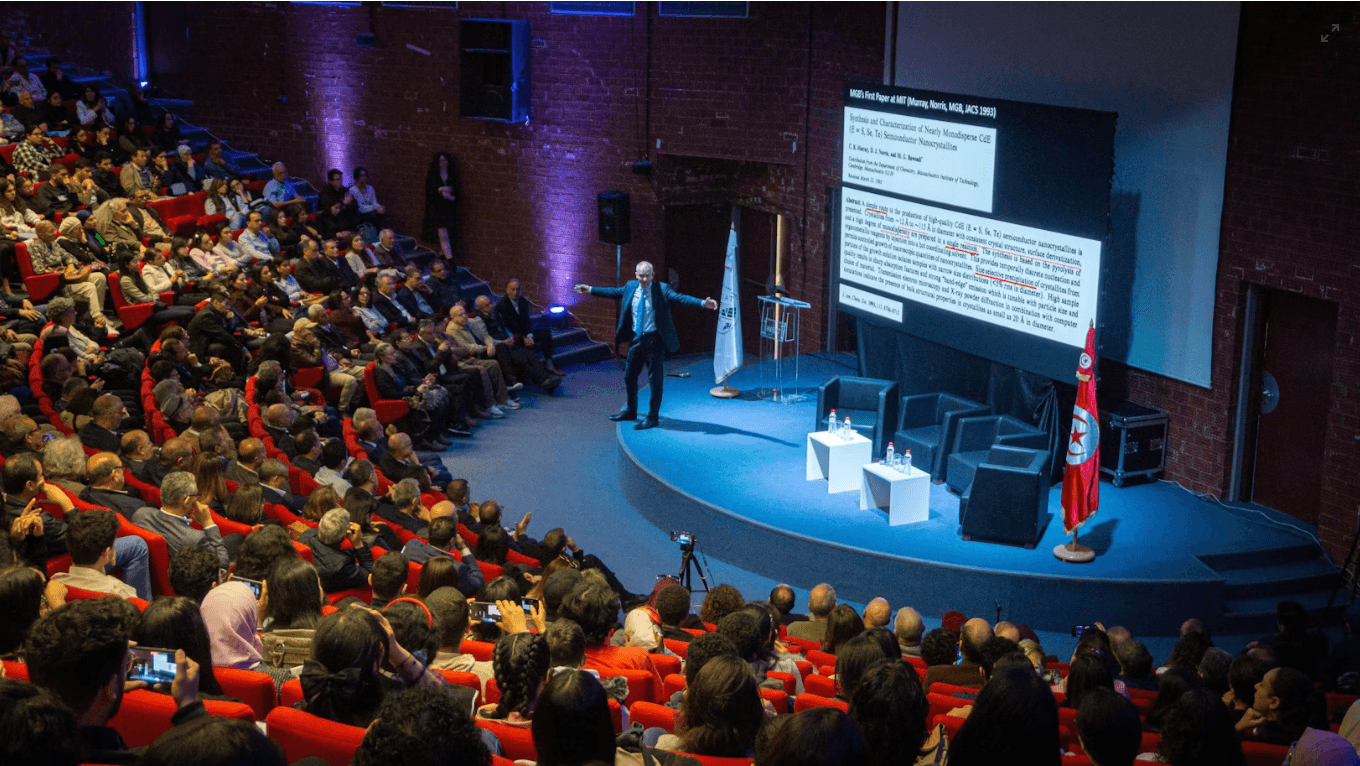
As African conferences grow larger, faster and more influential, professional coverage is evolving from event photography into real-time editorial communications.
Across Africa, conferences have become important stages for some of the continent's biggest conversations about business, technology, development, investment, energy and social change.
The scale alone is striking. GITEX Africa presents itself as the continent's largest technology and startup show, bringing together tens of thousands of participants alongside global technology companies, startups, investors and policymakers. Africa Tech Festival brings another major technology community to Cape Town, while the Africa CEO Forum convenes thousands of executives, investors, ministers and policymakers around the future of African business.
Development institutions operate at comparable levels of complexity. The African Development Bank describes its Annual Meetings as its biggest statutory event. Its 2026 gathering in Brazzaville was expected to attract more than 3,000 delegates, including heads of state and government, finance ministers, central bank governors, development institutions, private-sector leaders, civil society, academia and media.
These are not ordinary events with larger audiences. They are temporary communications ecosystems.
Multiple sessions happen simultaneously. Executives move between meetings. Journalists need material. Sponsors expect visibility. Speakers make announcements. Delegates publish their own content. Photographers may return with thousands of images before the first day is finished, while social media audiences expect the defining moments almost immediately.
The traditional idea of sending a photographer to "cover the event" is no longer enough.
The conference is not the story
A conference programme tells us what is scheduled. It does not tell us what matters.
A panel may discuss artificial intelligence, development finance or Africa's energy transition. The story may emerge from an announcement made during that discussion, a disagreement between policymakers, a technology demonstrated outside the plenary room or a conversation between two people who would otherwise never have met.
This is why professional conference coverage starts with editorial questions rather than camera settings. What is this gathering trying to change? Who needs to understand it? Which people represent the issue? What decisions might emerge? Which moments will still matter after the banners have been removed?
Once those questions are answered, photography becomes much more purposeful.
Beyond the podium
Conference photography has developed a predictable visual vocabulary: speaker, podium, panel, audience, handshake, group photograph.
All of these images are needed. None of them, by themselves, tells the complete story.
Some of the most revealing photographs happen between scheduled moments: an entrepreneur demonstrating a prototype to an investor, two delegates continuing a disagreement after leaving a panel, a minister listening closely to a community representative, a journalist interviewing a speaker in a corridor, or an executive reviewing notes seconds before walking onto the main stage.
These photographs communicate something that formal documentation often misses: conferences are fundamentally about relationships.
The Africa CEO Forum describes its annual summit as an environment for high-level networking, business opportunities, investment projects and contact between private and public decision-makers. That is a useful reminder for visual storytellers. If relationships are part of the value of the gathering, relationships should be visible in its photography.
Scale creates an editorial problem
Large events generate enormous quantities of content.
Four photographers working across several days can easily create tens of thousands of images. Videographers may accumulate hours of footage. Interviews need transcription. Speakers need identification. Captions require verification. Sponsors need their assets. Social teams need material immediately, while organizers need a coherent archive after the event.
The problem is no longer whether enough content exists.
The problem is finding what matters.
This is why the visual editor is becoming as valuable as the photographer. Someone needs to decide which twenty photographs from five thousand frames actually explain the day.
Professional conference photography is therefore partly an act of exclusion. The final archive should not demonstrate how often the shutter was pressed. It should preserve the moments that deserve to survive.
Speed is now part of editorial quality
The communications window around major events has collapsed.
When an announcement is made, participants may begin publishing it within minutes. Journalists are filing stories. Partners are reposting quotations. Executives are sharing photographs from their phones.
An official communications team that delivers its strongest material six hours later may still produce beautiful work, but it has lost the opportunity to shape the live conversation.
This creates a demanding standard: speed without sacrificing accuracy.
A useful workflow is straightforward:
Capture → Select → Edit → Caption → Verify → Approve → Publish
At a major gathering, that sequence may need to happen repeatedly throughout the day.
The solution is not simply faster cameras. It requires photographers who can transmit material while working, editors capable of making rapid decisions, writers who understand the subject, clear approval protocols, reliable connectivity and disciplined file management.
Real-time storytelling is an organizational capability.
Think newsroom, not photography team
At sufficient scale, conference communications begins to resemble a newsroom.
Photographers cover different zones. Videographers capture interviews and sequences. An editor receives material continuously. Writers develop captions and summaries. Social media producers publish and monitor the conversation. Media teams distribute approved assets. Someone maintains metadata and the institutional archive.
Above all of them, someone must retain sight of the narrative.
Without that editorial coordination, a conference can produce enormous amounts of technically good material and still fail to tell a coherent story.
This distinction will become increasingly relevant as African conferences continue to grow in scale and international significance.
Different conferences need different visual languages
A technology exhibition should not look like a development finance meeting. A youth summit should not look like a CEO forum. An energy conference should not look like a humanitarian gathering.
GITEX Africa, for example, brings together technology companies, startups, investors and policymakers around subjects ranging from artificial intelligence and cybersecurity to digital infrastructure. Its visual language can therefore include experimentation, demonstrations, technology, scale and interaction.
YouthConnekt Africa describes its summit as a platform for direct dialogue between young Africans, policymakers, private-sector leaders and development partners. A visual record dominated by officials behind podiums would miss the very participation the gathering exists to create.
Understanding the subject changes how the photographer sees the room.
One conference can produce months of communication
Professional conference coverage should not be evaluated solely by what appears on social media during the event.
A strong production can generate media photographs, executive portraits, vertical videos, delegate interviews, website stories, leadership content, daily highlights, partner assets, a post-event film, annual-report imagery and an institutional archive.
The African Development Bank's own Annual Meetings platform illustrates this wider lifecycle. Alongside information about the gathering, it maintains stories, publications, photographs and videos from the event. The meeting becomes part of a continuing institutional record rather than disappearing when delegates leave.
That is where the economics of professional event communications become interesting.
The better question is no longer, "How much does conference photography cost?"
It is, "How much communication value can this conference create?"
AI is entering the conference newsroom
The scale of conference production makes it a natural environment for artificial intelligence.
Thousands of photographs need sorting. Hours of speeches need transcription. Interviews may require translation. Images need metadata. Sessions need summarising. Communications teams need to monitor what is being said across multiple channels.
AI can reduce much of this repetitive work. It can assist with transcription, preliminary image selection, translation, tagging, archive search and first-draft summaries.
That gives human teams more time for the work machines are less suited to: interpreting significance, recognizing cultural and political context, interviewing people, making ethical decisions and deciding which moments actually represent the story.
This distinction matters.
AI can recognize that two people appear in a photograph. An experienced editor understands why their meeting matters.
AI can transcribe a speech. A communicator understands which sentence could change the conversation.
The next generation of conference communications will therefore not be human or artificial. It will combine machine speed with human judgment.
The conference ends. Its communication value should not.
When the closing session finishes, the physical gathering begins disappearing almost immediately. Exhibition stands come down. Delegates travel home. Temporary signage is removed. The venue prepares for something else.
The communications assets remain.
A defining photograph may appear in an annual report two years later. An executive interview may support the next edition of the conference. A documentary sequence may explain an organization's work to a donor who never attended. A carefully organized archive may become part of the institutional history of an event that continues for decades.
This is why event coverage deserves to be treated as more than documentation.
The photographer is not merely recording what happened.
The communications team is deciding how the event will be remembered.
The TrueStory Africa Perspective
Africa's major conferences increasingly compete on a global stage for attention, investment, influence and participation. Their communications should reflect that ambition.
The standard cannot simply be thousands of photographs, a two-minute highlight video and a folder delivered after the event. Major gatherings need communications systems capable of identifying meaningful moments, producing high-quality material rapidly, telling human stories and preserving a useful record long after the venue has emptied.
The strongest event coverage answers three questions at once: What happened? Why did it matter? What should people remember?
When those questions guide photography, filmmaking and editorial production, conference coverage becomes something much more valuable than documentation.
It becomes storytelling that travels.
Need this for your organization?
Conference & Event Coverage: Professional coverage of conferences, launches, donor visits, executive engagements and field missions, delivered with speed and editorial quality.
Explore Conference & Event CoverageRelated Insights
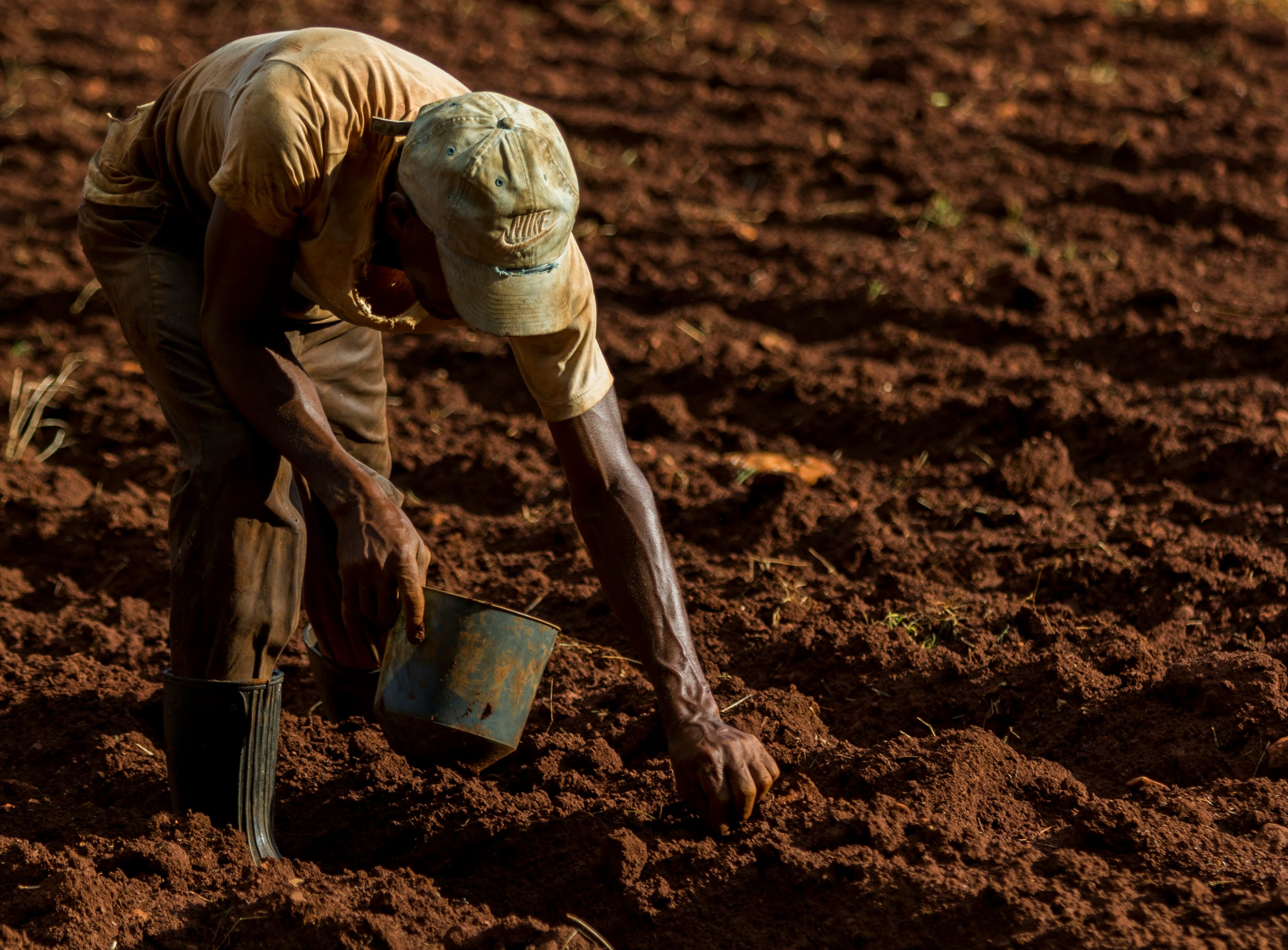 Documentary Storytelling
Field Documentation in Africa: A Practical Guide for Communications Teams
A practical guide to field documentation in Africa, covering photography, video, human-interest stories, donor visits and development programmes.
Read Insight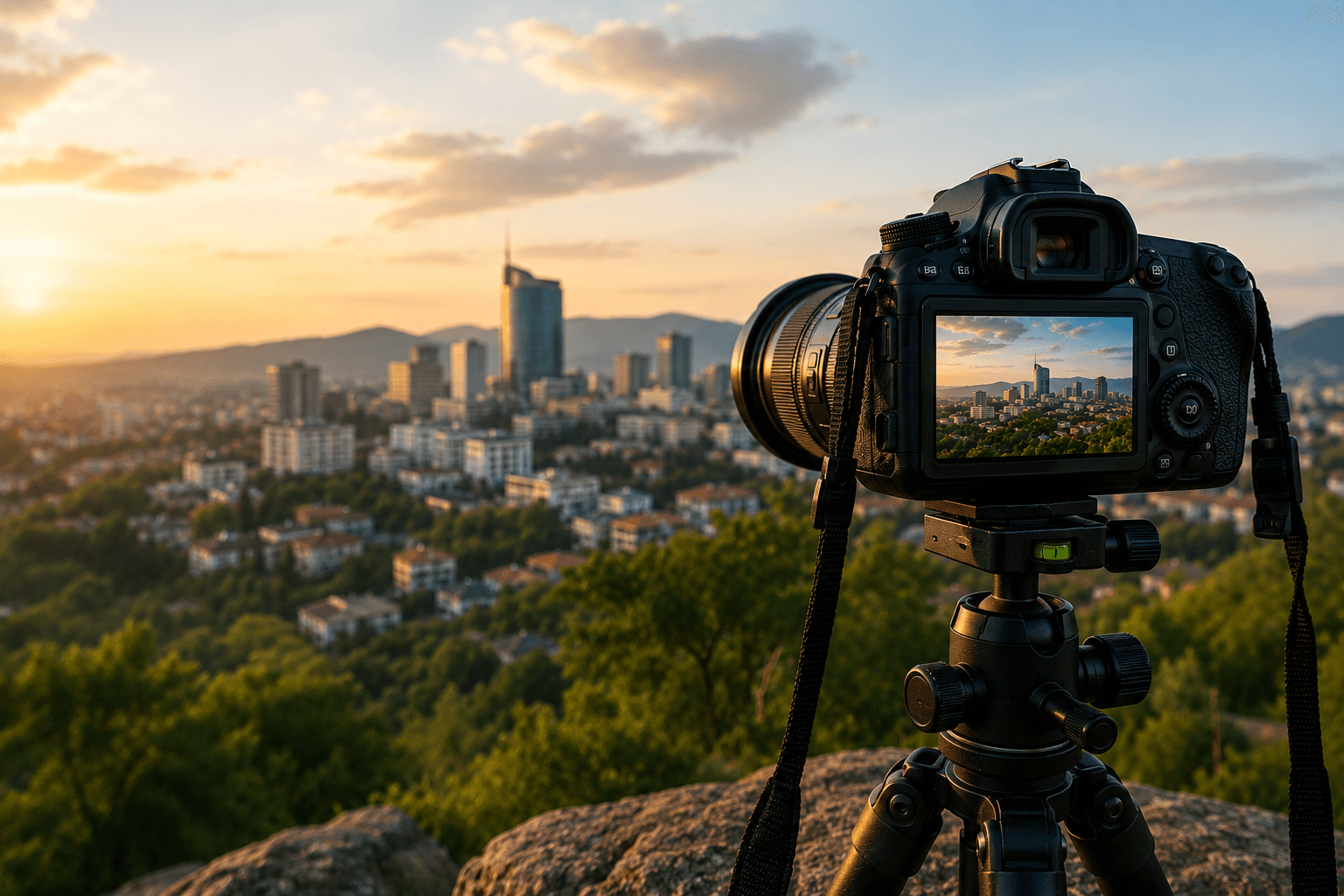 Photography
How to Choose the Best Photography Company in Rwanda
Looking for a professional photography company in Rwanda? Choosing the right team goes beyond cameras and price. From documentary storytelling and conference photography to field experience, reliability, image quality and fast delivery, here is what organizations, businesses, NGOs and international partners should consider before hiring a photographer in Rwanda.
Read Insight