Content Strategy
Before You Send a Camera to the Field: The 12 Questions Every Communications Team Should Answer
Before a photographer or film crew heads into the field, some of the most important decisions have already been made. These 12 questions help communications teams plan stronger field documentation, interviews, donor visibility, photography and video assignments across Africa.
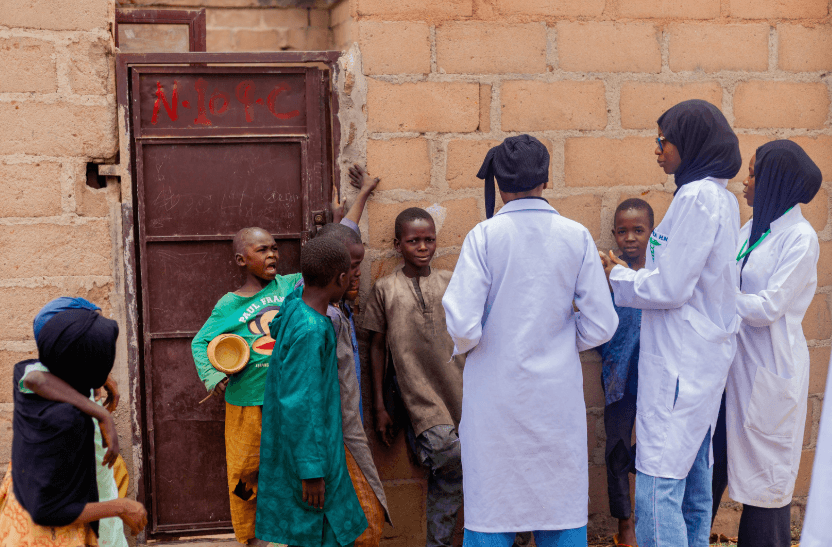
- Field Documentation · Documentary Photography · Video Production · Development Communications
A communications team receives a familiar request: We need to document this programme.
A field visit is arranged. A photographer is booked. Programme colleagues identify several people who can be interviewed. Transport is organized, the itinerary is circulated and somebody prepares a shot list. A few days later, the team returns with thousands of photographs, several hours of footage and a collection of interviews.
Then the questions begin.
Do we have a photograph that actually shows how the programme works? Did anyone get the participant's full name? Which donor logo needed to appear? Do we have consent for the child in the strongest photograph? Where is the quotation about what changed before and after the intervention? Why are most of the photographs of the visiting delegation? Can headquarters have ten images this afternoon? Who has the captions? And why did nobody photograph the one thing the report actually needs?
None of these problems begins with photography.
They begin with the brief.
For organizations working across Africa, field documentation often takes place under difficult conditions: long journeys, limited time, changing schedules, several languages, senior visitors, community protocols, unreliable connectivity and pressure to produce material for multiple audiences at once. A photographer can respond creatively to those conditions, but they cannot compensate for a communications team that has not decided what it needs to communicate.
Before anyone packs a camera, these are the questions worth answering.
1. What is the story—not merely the activity?
“We are documenting a maternal health programme” is not yet a story. Neither is “the donor is visiting the project” or “we need content from the field.”
Start by completing a simple sentence:
We want someone who knows nothing about this programme to understand that…
The answer changes the assignment.
Perhaps the important story is that community health workers are helping mothers reach services earlier. Perhaps a water system has changed the amount of time households spend collecting water. Perhaps agricultural support has helped farmers respond to changing rainfall. Perhaps an early childhood programme allows parents to work while young children receive care.
Once the central idea is clear, the photographer knows what evidence to look for. The interviewer knows which questions matter. The videographer knows which sequences need time. The writer knows what information to collect.
Without that decision, the team tends to photograph whatever happens in front of it.
That is coverage.
It is not necessarily storytelling.
2. Who can tell this story from experience?
Programme teams often identify interviewees according to availability. Someone is reliable, speaks confidently, lives close to the activity and has worked with the organization before.
Those are useful qualities, but they do not automatically make someone the strongest storyteller.
Look for a person whose experience contains movement. There was a situation before the intervention. Something happened. Their routine, choices or circumstances changed in some identifiable way. Perhaps something remains difficult.
That last part matters.
People do not need perfect success stories to be worth documenting.
A farmer who benefited from an intervention while still facing challenges may provide a more credible account than someone whose interview sounds like an advertisement. A parent who can describe both what improved and what remains difficult gives audiences a fuller picture of the programme.
The same applies to staff interviews. Instead of automatically interviewing the most senior person present, consider who understands implementation best. A community health worker, teacher, engineer, social worker or field officer may be able to explain the programme in ways that a senior official cannot.
The strongest person for the organizational quotation and the strongest person for the human story may be two different people.
3. What changed?
This question should be answered before the interview begins.
Not because the communications team should decide what participants are going to say, but because it needs to understand what the programme claims to have achieved.
Read the programme information. Talk to the technical team. Look at the available results. Understand the indicators.
Then go into the field prepared to test those claims against people's experiences.
If the programme says it reduced the distance families travel for water, ask what the journey looked like before and what it looks like now. If it improved access to health services, understand how people previously accessed care. If it increased agricultural productivity, find out what that means in practical terms for a household.
A good story does not simply attach a person's face to a statistic.
It investigates what the statistic looks like in ordinary life.
4. What must we be able to see?
This is where a useful shot list begins.
Not with “ten portraits, five wide shots and three group photographs.”
Ask what the audience needs to see to understand the story.
If you are documenting water access, the visual sequence might need to show the environment, the infrastructure, the source, people collecting water, how it reaches households and what people do with the time or access it creates.
If you are documenting a school programme, the story might require the school environment, teaching, interaction, learning materials, children participating, teachers working and details that explain the intervention.
This produces a very different photographic assignment from “take pictures of the project.”
A strong shot list identifies what cannot be missed without telling the photographer exactly what every photograph should look like.
Leave room for discovery.
The most valuable photograph of the day may be something nobody knew to request.
5. What happened before we arrived?
This is one of the questions I would put into almost every development communications brief.
Programme documentation naturally concentrates on the present. The new infrastructure exists. The service is operating. The training has happened. The intervention is visible.
But change needs a point of comparison.
Sometimes there is archival photography showing the previous situation. Sometimes programme records provide the evidence. Often the clearest account comes from people themselves.
Ask them.
Where did you get water before this existed? What happened when your child became sick? How did you sell your produce? What was a normal school day like? How long did this task take? What did you do when this service was unavailable?
These questions are often much more productive than asking, “How has the project helped you?”
They allow the interviewee to describe experience rather than provide praise.
6. Are we documenting the programme or the visit?
This needs to be decided whenever donors, executives, ministers, ambassadors or other senior visitors are involved.
There are legitimate reasons to photograph the visit. Handshakes, briefings, site tours, conversations and group photographs may be required for institutional communications. Partners need visibility, and senior participation can itself be newsworthy.
But a field visit can easily consume the entire visual story.
The convoy arrives and every camera turns toward it. For the next two hours, the archive becomes a record of important people observing other people.
If the programme existed before the delegation arrived and will continue after it leaves, reserve time to document that reality too.
A useful approach is to create two lists before departure: visit coverage and programme documentation. Treat them as related but separate requirements.
That simple distinction can transform the final archive.
7. What does the donor or partner actually need?
“Ensure donor visibility” is too vague for a field brief.
Does the donor need photographs showing its representative participating? Does a funding acknowledgement need to appear in captions? Are there branding requirements for video? Does headquarters need images showing funded infrastructure? Are there restrictions around logo use? Is the material intended for a donor report, public communications or both?
Resolve these questions before production.
Partner visibility works best when it appears naturally within the story. A photograph showing a representative interacting with programme participants can carry more meaning than a photograph constructed around a banner. A wide image showing branded infrastructure in use can demonstrate both visibility and programme activity.
The communications team should know which evidence the partnership requires without turning the entire assignment into a catalogue of logos.
8. What are the consent and protection requirements?
This cannot be left until somebody finds a strong photograph during editing.
UNICEF's guidance on reporting about children stresses respect for children's dignity and rights, protecting their best interests, avoiding staging and obtaining appropriate permission from children and guardians for interviews and photography. UNICEF's ethical reporting guidelines The ICRC similarly states that people contributing their stories should be treated with dignity and that informed consent should be voluntary and based on an understanding of how material may be used. ICRC ethical content-gathering guidance
For the production team, this means knowing before arrival whether children will be documented, whether health or protection issues may arise, who handles consent, which forms are required, whether interpreters are needed and whether there are circumstances that should not be photographed.
Consent should not become a piece of paperwork separated from the relationship with the person being documented.
Someone should understand why the camera is there.
9. Which languages will people actually speak?
The answer should not simply be the organization's working language.
Find out what participants themselves are most comfortable speaking.
An interview conducted through interpretation may take considerably longer than one conducted directly. Video production may require translation and subtitles. Names and technical terminology need verification. Some expressions may carry meaning that disappears in literal translation.
Plan for this.
If a local producer, communications colleague or interpreter is involved, brief them as part of the editorial team rather than treating them as someone who simply converts sentences.
A good interpreter can tell you when an answer contains something culturally significant that the direct translation does not reveal.
That can change the interview.
10. What needs to leave the field today?
This question has become much more important.
Perhaps headquarters needs five photographs before the delegation leaves. Perhaps a country director wants to publish on LinkedIn. Perhaps media colleagues need an image accompanying an announcement. Perhaps the donor needs material for its own channels.
Decide what is genuinely urgent.
Then separate rapid delivery from final delivery.
The field photographer might transmit eight carefully selected, edited and captioned photographs during the day. The complete selection can follow after proper editing.
This is much better than expecting hundreds of finished photographs immediately.
There is another practical issue across Africa: connectivity cannot be assumed. ITU data continues to show a substantial urban-rural digital divide across the region. ITU DataHub If same-day delivery is required from a remote location, the team needs to know whether the production workflow can actually support it.
“Send immediately” is not a workflow.
11. What exactly should come back?
This should be written down before departure.
Not simply “photos and videos.”
How many final edited photographs are expected? Are captions required? Does the organization need raw photographs? How many interviews? Is the video horizontal, vertical or both? What duration? Are clean versions required without subtitles or graphics? Who provides translations? Are transcripts needed? What file formats are required? How should files be named? Where will consent records sit? When are the rapid, draft and final delivery deadlines?
Clarity here protects both the organization and the production team.
It prevents a common situation in which everyone remembers the assignment differently after the field mission is finished.
12. Will someone understand these files two years from now?
This is the question most teams forget.
A photograph can have a much longer life than the social post it was originally captured for. It may later appear in an annual report, proposal, presentation, exhibition, donor publication or campaign.
But only if somebody knows what it shows.
“IMG_4832.jpg” has almost no institutional memory.
A useful archive should preserve the date, location, programme, activity, names where appropriate, photographer credit and enough caption information to understand what is happening. Consent and usage conditions should remain traceable when required.
Think beyond delivery.
The field team is creating part of the organization's historical record.
A better field brief can fit on one page
None of this means communications teams need a 20-page production document before every visit.
In fact, I would rather receive one excellent page than fifteen pages copied from an old TOR.
A useful field documentation brief can answer seven things clearly: what story we are trying to tell; who needs to understand it; what programme result sits behind it; who we expect to meet; what absolutely must be photographed or filmed; what needs to be delivered and when; and what ethical, branding or logistical requirements could affect production.
Everything else can support those answers.
If the production team understands those seven things, it can make intelligent decisions when the itinerary inevitably changes.
And in field production, something almost always changes.
The brief should leave room for what nobody planned
This may be the most important point.
Planning makes field documentation stronger, but over-planning can kill it.
The communications officer knows the programme. The photographer understands visual storytelling. The programme team knows the community. The person being interviewed knows their own life.
None of them knows exactly what will happen when all four meet.
Leave room for that.
Perhaps the strongest interview comes from someone who was not on the original list. Perhaps weather changes the visual character of the assignment. Perhaps an interaction happens while everyone is walking back to the vehicle. Perhaps a participant explains something that changes the entire direction of the story.
A good brief tells the production team what matters.
A good production team knows when something more important has appeared.
That is where field documentation stops being a checklist and starts becoming documentary storytelling.
The TrueStory Africa Field Brief: Seven Questions Before Departure
Before a field documentation assignment, we believe the communications and production teams should be able to answer these seven questions:
1. What is the story?
What should someone who knows nothing about the programme understand?
2. What evidence supports it?
Which programme result, data point or documented change sits behind the story?
3. Who has experienced it?
Whose first-hand experience can help us understand what happened?
4. What must audiences see?
Which people, places, processes and details make the intervention
understandable?
5. What must audiences hear?
Which voices and interviews are needed, and in which languages?
6. What must be delivered?
Photography, film, social cuts, interviews, captions, transcripts, raw
material—and by when?
7. What must we protect?
Consent, dignity, privacy, accuracy, safeguarding, partner requirements and the
integrity of the people whose stories we are trusted to document.
Save those seven questions.
Use them before the next vehicle leaves the office.
About TrueStory Africa
TrueStory Africa is a Kigali-based documentary storytelling and strategic communications company providing field documentation, documentary photography, film production and human-interest storytelling in Rwanda and across Africa. We work with organizations, institutions and development partners to turn field programmes into credible visual and editorial stories that can be used across reports, digital platforms, donor communications and institutional archives.
Planning a field documentation assignment in Rwanda or elsewhere in Africa? Explore our Field Documentation services or start a conversation with TrueStory Africa.
Need this for your organization?
Content & Editorial: Human-interest stories, reports, publications, speeches and website content that communicate with clarity, credibility and purpose.
Explore Content & EditorialRelated Insights
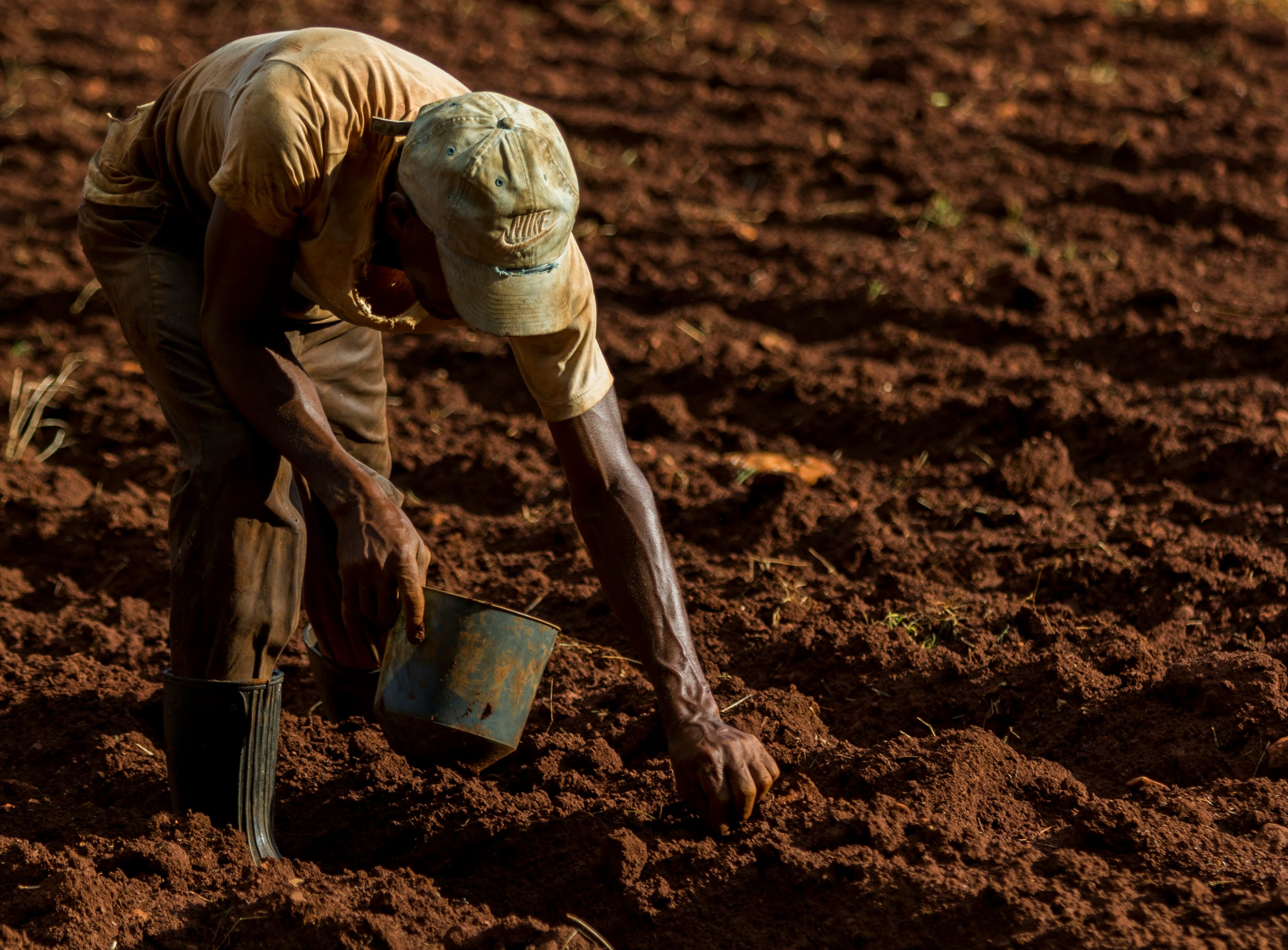 Documentary Storytelling
Field Documentation in Africa: A Practical Guide for Communications Teams
A practical guide to field documentation in Africa, covering photography, video, human-interest stories, donor visits and development programmes.
Read Insight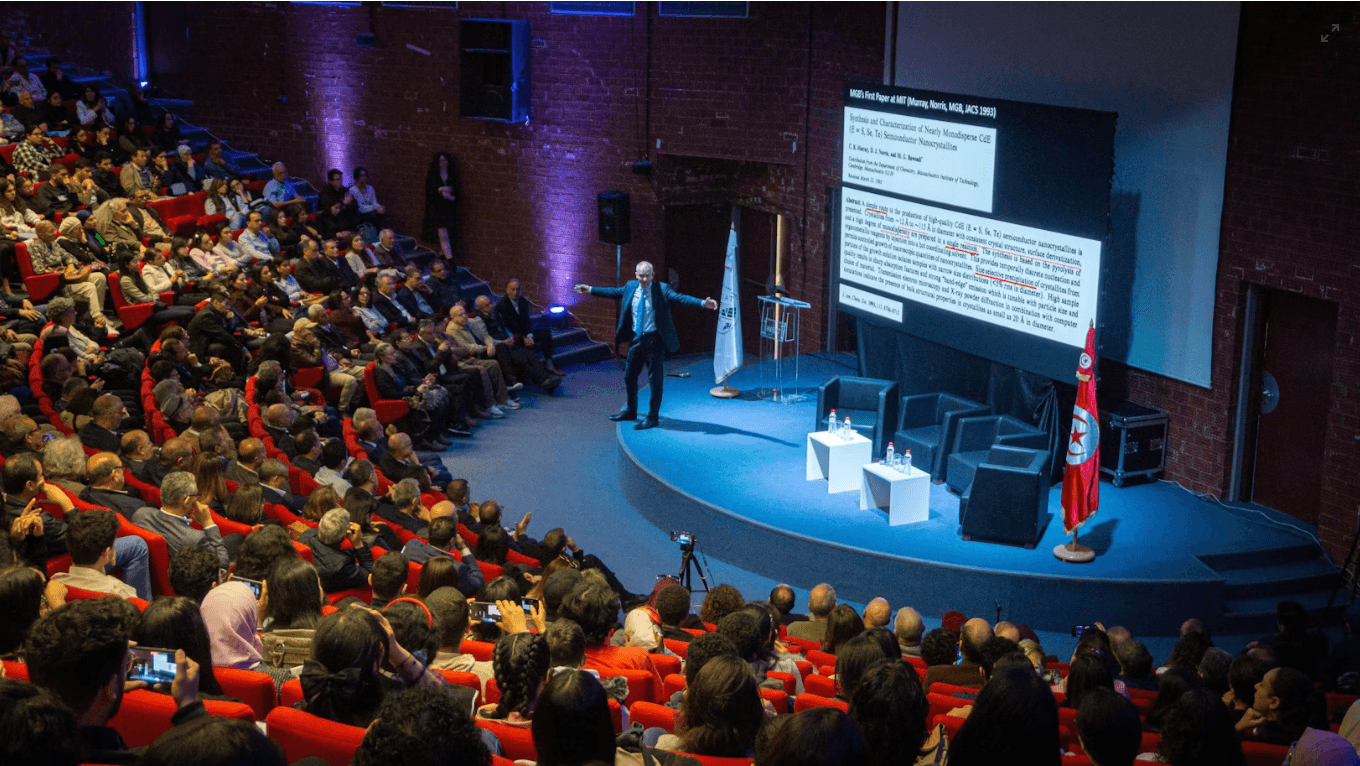 Event Coverage
Beyond Event Coverage: How Africa's Biggest Conferences Become Stories That Travel
As Africa’s major conferences grow in scale and influence, photography, film and real-time storytelling are changing how their biggest moments reach the world.
Read Insight Photography
How to Choose the Best Photography Company in Rwanda
Looking for a professional photography company in Rwanda? Choosing the right team goes beyond cameras and price. From documentary storytelling and conference photography to field experience, reliability, image quality and fast delivery, here is what organizations, businesses, NGOs and international partners should consider before hiring a photographer in Rwanda.
Read Insight